seismic braces, commonly referred to as seismic restraints or seismic restraint systems, play a crucial role in protecting structures from the devastating effects of earthquakes. These specialized components are designed to absorb and dissipate the energy produced by seismic waves, thereby reducing the risk of structural damage and collapse. In regions prone to seismic activity, such as California, Japan, and parts of South America, the use of seismic braces is not only recommended but often mandated by building codes and regulations.
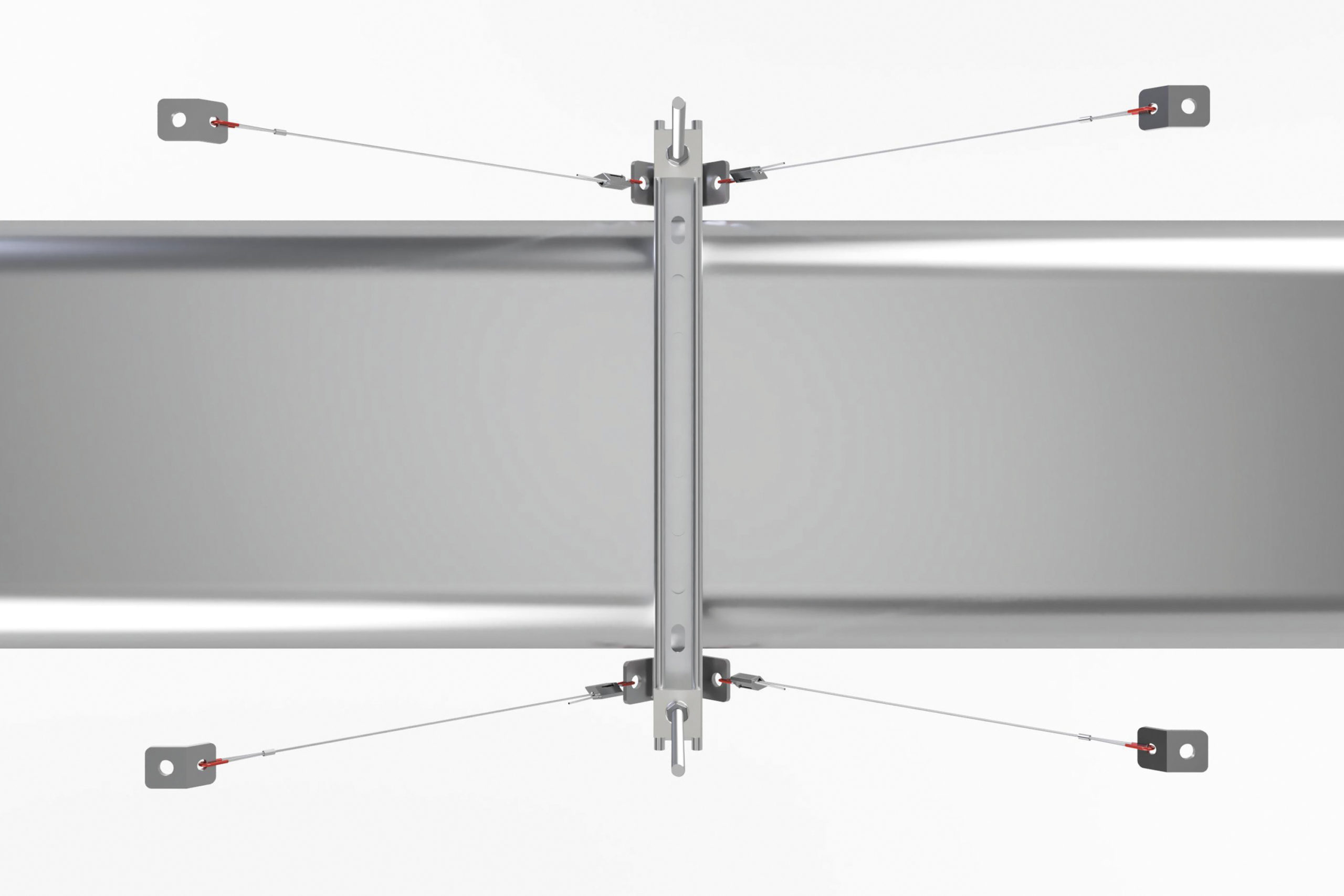
The primary purpose of seismic braces is to enhance the resilience of structures during an earthquake by preventing excessive movement and displacement. This is achieved through a combination of tension and compression forces that work together to stabilize the building and resist the lateral forces generated by seismic waves. By strategically placing seismic braces throughout a structure, engineers can create a system that redistributes the seismic forces away from vulnerable areas, such as columns, walls, and connections.
One of the key benefits of seismic braces is their ability to protect both the structural integrity of a building and the safety of its occupants. In the event of an earthquake, structures equipped with seismic braces are less likely to experience significant damage or collapse, reducing the risk of injury or loss of life. This is especially important in densely populated urban areas, where a single earthquake can have catastrophic consequences.
In addition to their life-saving potential, seismic braces can also help minimize the financial impact of earthquakes by reducing the need for costly repairs and rebuilding efforts. By investing in seismic braces upfront, building owners can significantly lower the risk of structural damage and the associated expenses that come with it. This not only protects the financial investment in the building but also helps to ensure its long-term durability and usability.
There are several types of seismic braces available, each with its own unique design and functionality. Some of the most common types include buckling-restrained braces, concentric braces, and eccentric braces. Buckling-restrained braces are typically used in high-rise buildings and offer superior energy dissipation capabilities. Concentric braces, on the other hand, provide excellent stability under both tension and compression loads, making them ideal for a wide range of structures. Eccentric braces are designed to resist seismic forces by eccentrically loading the brace, which can be advantageous in certain structural configurations.
The selection of the appropriate type of seismic brace depends on a variety of factors, including the building’s height, occupancy, location, and construction materials. Engineers must carefully consider these factors when designing a seismic restraint system to ensure optimal performance and protection. This involves conducting detailed seismic analysis and modeling to simulate the effects of seismic forces on the structure and determine the most effective placement and configuration of seismic braces.
In recent years, advancements in seismic brace technology have led to the development of innovative solutions that offer enhanced performance and efficiency. For example, the use of high-performance materials, such as carbon fiber and high-strength steel, has significantly improved the durability and load-bearing capacity of seismic braces. Furthermore, the integration of advanced monitoring and control systems allows for real-time feedback and adjustments to optimize the performance of seismic restraints during an earthquake.
As seismic activity continues to pose a significant threat to structures worldwide, the importance of seismic braces in protecting buildings and their occupants cannot be overstated. By investing in high-quality seismic restraint systems and working with experienced engineers and contractors, building owners can effectively mitigate the risks associated with earthquakes and ensure the long-term safety and stability of their structures. With the right combination of design, materials, and technology, seismic braces will continue to play a vital role in safeguarding buildings against the destructive forces of nature.